AI agents are learning to shop. Discover how this shift is transforming retail, search, and media—and what it means for brands and retailers.

From Search to Delegation
The traditional customer journey - search, browse, evaluate, purchase - is being reimagined.
With the emergence of AI agents, the path looks more like:
“Tell me what I need” → Delegate → Result.
OpenAI’s recently announced “Operator” framework, Walmart’s in-app assistant Sparky, and Visa’s AI-enhanced payment flows are early signs of this shift. And while these technologies are still maturing, their momentum is undeniable.
Rather than scrolling through dozens of products, consumers will increasingly rely on intelligent agents to curate, filter, and decide. These agents will learn from user behavior, preferences, and outcomes - growing more precise and more powerful over time.

What This Means for Retailers
This new landscape invites a set of provocative questions:
- Who are you really selling to - humans or their agents?
As decision-making becomes increasingly delegated, elements like rich product data, real-time availability, and transparent pricing may carry more weight than emotional creative or brand heritage. - Can your systems talk to AI agents?
Agents need structured, accessible data to function effectively. That includes not just product attributes, but delivery windows, stock levels, and return policies - cleanly exposed and consistently maintained. - How do you compete for visibility in a world without browsing?
If agents are filtering out 95% of options before a human ever sees them, new forms of “agent optimization” may emerge - where accuracy, trustworthiness, and relevance replace traditional SEO.

Early Signals, Rapid Change
Mainstream adoption will take time - but the pace of innovation is accelerating. From product discovery to payment, agentic AI is already shaping the retail experience. This isn’t a niche trend - it’s a paradigm shift in motion.
Retailers exploring better data hygiene, real-time integrations, or rethinking their digital shelf aren’t overreacting. They’re tuning in early.
Where Influence Goes Next
There’s a common concern that AI agents will make advertising obsolete. In reality, they’ll make it more important - just in a new way.
In this new landscape, emotional connection still matters. But instead of triggering an immediate purchase, that connection now shapes the instructions consumers give to their agents.
This is the new “agentic showrooming” effect:
-
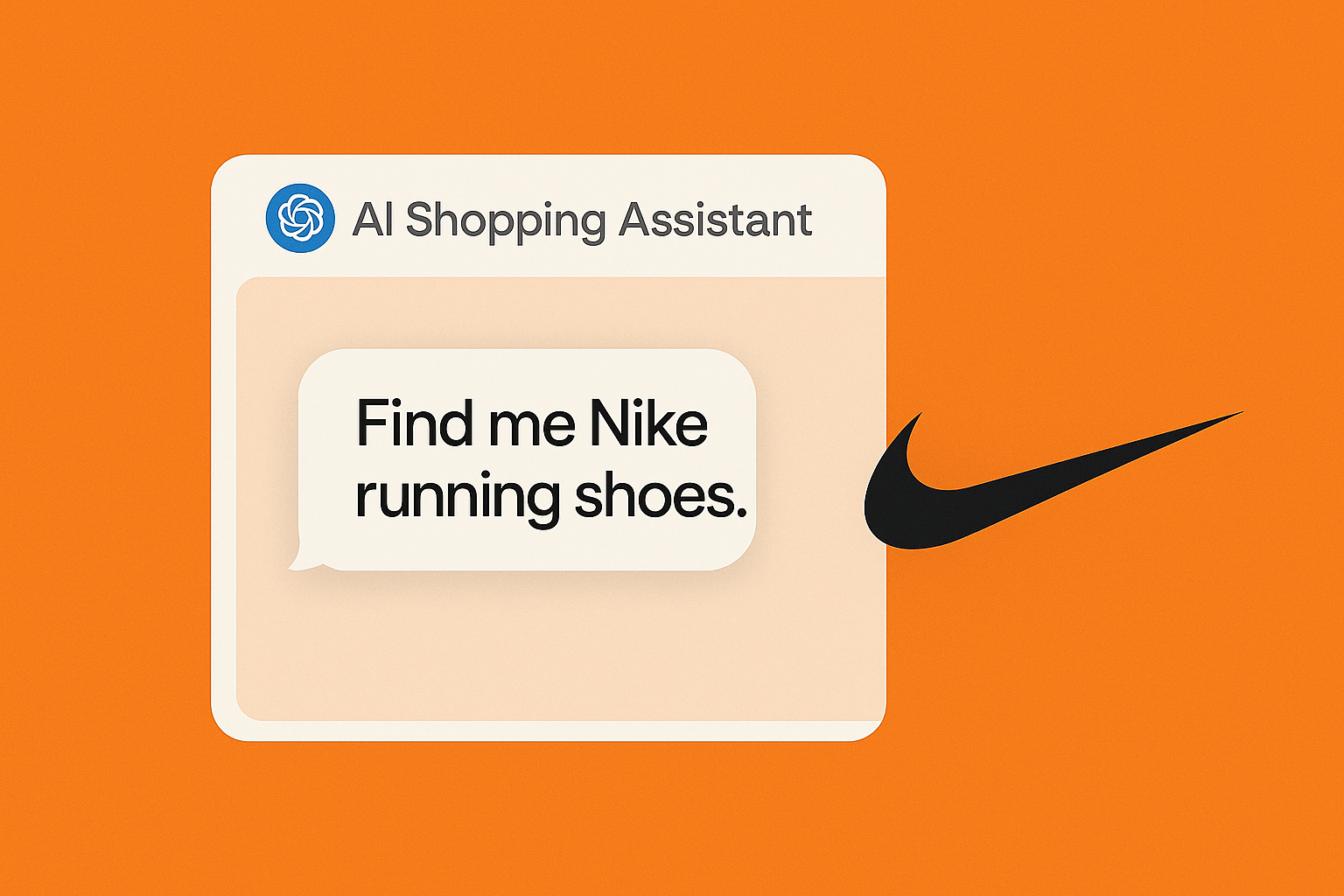
See a Nike ad during the Super Bowl → Feel inspired
-
Tell your agent: “I want Nike running shoes”
-
The agent executes with that brand bias baked in
Retail media, brand advertising, and experiential campaigns remain vital - not because they close the sale immediately, but because they influence what gets delegated later.
The Real Battleground: Preference Formation
Agents don’t eliminate human choice - they execute it. That means the future of advertising is about:
-
Programming preferences, not just prompting action
-
Earning loyalty before the cart is ever built
-
Influencing definitions of quality, sustainability, or value - long before a query is ever made
Retailers and brands will compete not just for clicks, but for mindshare - the values and beliefs that shape the agent’s parameters.
Final Thought
Not every purchase will be handed off to an agent. Discovery, storytelling, and emotional connection will still define many shopping moments.
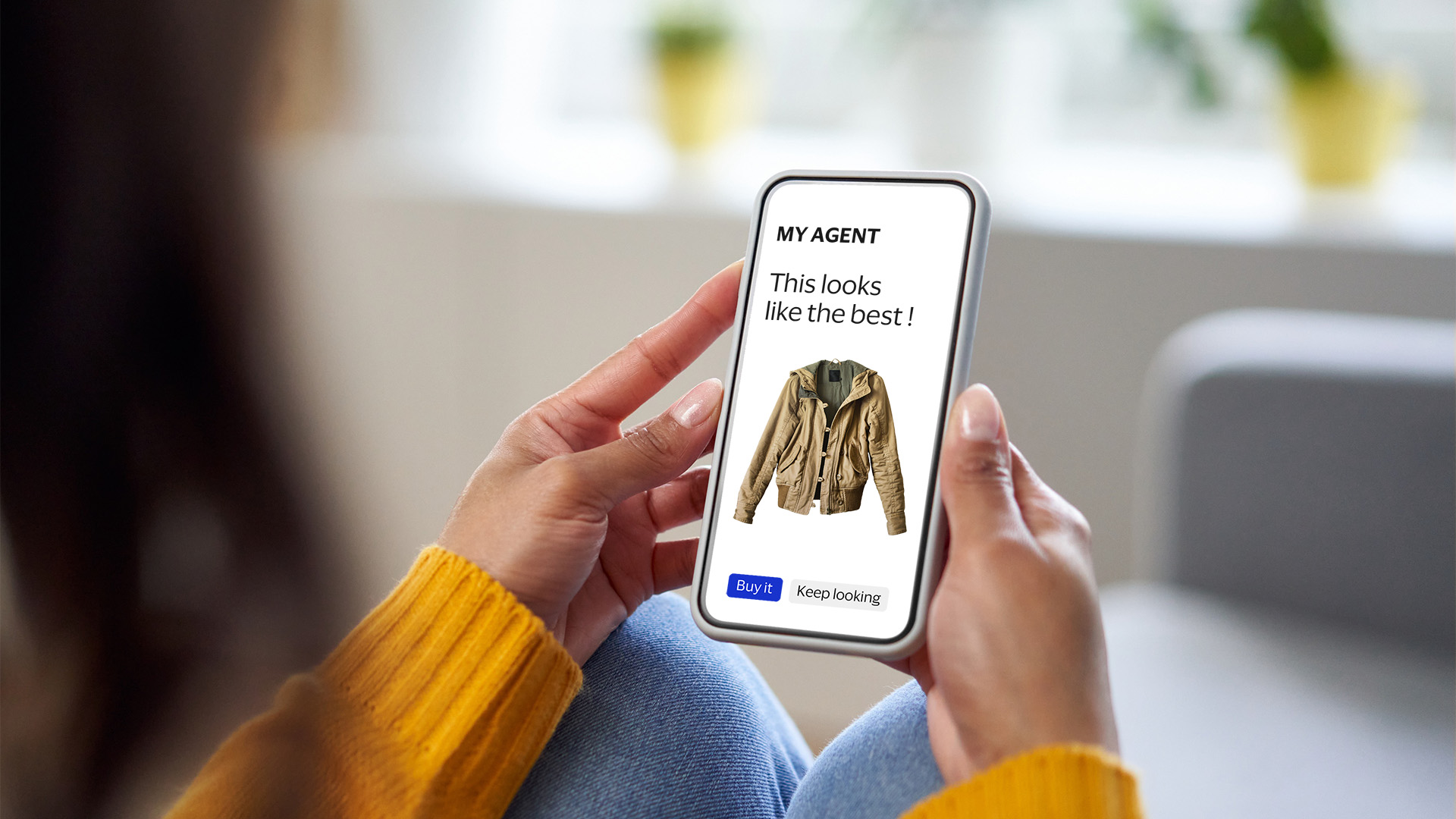
But for replenishments, repeat purchases, or comparison-heavy decisions, AI agents may become the go-to interface.
And when that happens, the key question won’t be:
“How do I sell this to a shopper?”
It will be:
“How do I earn a place in the shopper’s instructions?”